
When to Reevaluate Your Container & Trailer Vendor
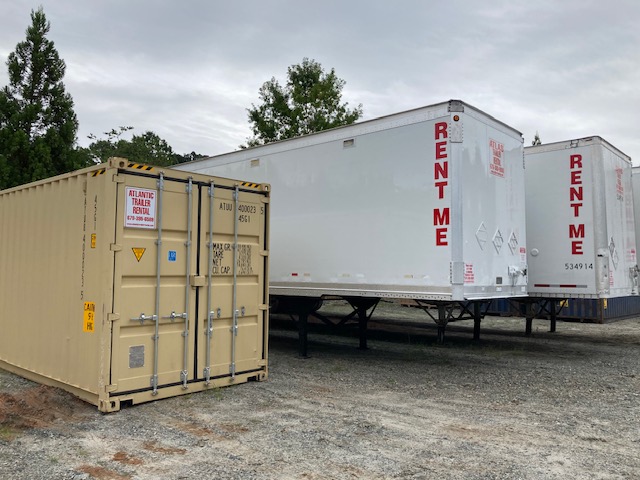
Key Takeaways:
- Slow delivery, long lead times, or missed pickup windows often signal vendor problems.
- Confusing billing cycles or hidden additional costs can quietly raise pricing over time.
- Large providers often rotate contacts, while smaller companies offer consistent support.
- Family-owned vendors often deliver faster trucking, simpler credit approval, and real conversations.
- Reliable vendors help optimize supply chain planning across trailers, shipping containers, and warehousing needs.
Containers and trailers play a major role in modern supply chain operations. From shipping containers supporting global trade to storage trailers supporting on-site warehousing, equipment often sits at the center of daily logistics.
Yet many companies stick with the same vendor year after year without asking an important question:
“Does this partnership still serve my business needs?”
If service creates delays, confusion, or unnecessary cost, reevaluating container and trailer providers may deliver real cost savings.
Signs It May Be Time to Consider a New Vendor
A few operational signals often appear before customers switch providers.
Watch for patterns like these:
- Delivery delays during peak season
Long lead times for shipping containers, flatbed trailers, or high cube containers often disrupt strategic planning. - Limited communication
Customers bounce between departments with no consistent contact. - Billing surprises
Hidden fees, unclear invoices, or unusual billing cycles increase overall pricing. - Slow credit approval
Waiting days or weeks before equipment delivery slows shipping operations. - Limited equipment availability
Short supply of cargo-worthy units, used containers, or trailers during busy months.
Any one issue may feel manageable. Several together often signal vendor misalignments.
Why Family-Owned Vendors Deliver a Different Experience
Large national providers often operate through layers of systems, approvals, and rotating support teams.
Family-owned companies operate differently.
Customers speak with real people who understand logistics challenges across North America, not call centers reading scripts. Conversations focus on common-sense solutions, equipment availability, and practical timelines.
Many companies switching vendors mention similar improvements:
- Faster trucking and shorter lead times
- Personalized onboarding
- Consistent contacts from first call through delivery
- Quicker credit approval
- Flexible solutions for short-term or long-term needs
Instead of navigating corporate processes, customers work with people who prioritize relationships and long-term partnerships.
Faster Delivery Keeps Supply Chains Moving
Equipment delays create ripple effects across shipping operations.
A missing trailer may slow warehouse staging. A delayed container delivery may stall importers waiting for storage near distribution hubs.
Strong vendors reduce disruption through:
- Flexible trucking networks across regional depots
- Real-time coordination for delivery or pickup
- Access to inventory across multiple locations
- Faster turnaround during peak season
In many cases, companies discover available delivery options far sooner than expected once they begin working with responsive providers.
When possible, vendors can even arrange same-day or next-day trucking for trailers, flatbed equipment, or shipping containers when availability allows.
Billing Simplicity Matters More Than Many Realize
Some vendors bill every 28 days, creating 13 billing cycles per year. Invoices arrive earlier than expected, sometimes creating confusion across accounting teams.
A simpler structure helps avoid surprises.
Many smaller providers bill monthly — 12 billing cycles per year — making budgeting easier and eliminating unnecessary additional costs.
Clear pricing, predictable billing, and transparent agreements create long-term trust.
Equipment Quality Still Matters
Cost-effective equipment should still meet operational standards.
Reliable vendors typically offer containers and trailers meeting practical requirements such as:
- Cargo-worthy used containers for storage
- New container inventory when longer lifespan matters
- Water-tight units suitable for on-site storage or warehousing
- High cube containers for additional vertical space
- Flatbed or intermodal trailer options for transport flexibility
Quality equipment supports sustainability as well. Extending the lifespan of used containers reduces environmental impact while supporting efficient logistics.
Smart Partnerships Strengthen Supply Chains
Supply chain resilience depends on more than equipment. Vendors often influence strategic planning through:
- Equipment availability across regional depots
- Awareness of shifting trade policies or tariffs
- Insight into container shipping trends
- Understanding of disruptions affecting global trade
Good providers help shippers and importers make informed decisions while optimizing container shipping, warehousing, and trucking logistics.
The best partnership feels less like a transaction and more like a collaboration.
A Few Simple Questions Worth Asking
Every company eventually reaches a point where reevaluation makes sense.
Ask a few practical questions:
- Are lead times improving or growing longer?
- Do invoices remain clear and predictable?
- How often do I have to learn a new contact’s name?
- Does equipment arrive when promised?
- Do conversations feel helpful or transactional?
If answers raise concerns, exploring new providers may lead to better service, competitive pricing, and smoother logistics.
Fill out the form below to learn about our focus on relationships, responsiveness, and real customer support — and what that means for your organization.
Explore Related Posts
Get in Touch with Us
Contact us today for more information!
